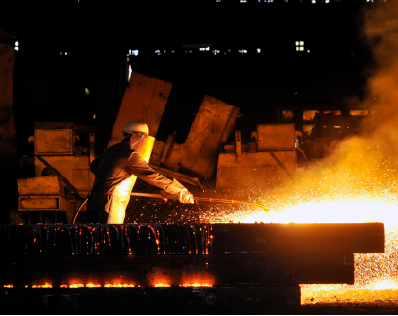
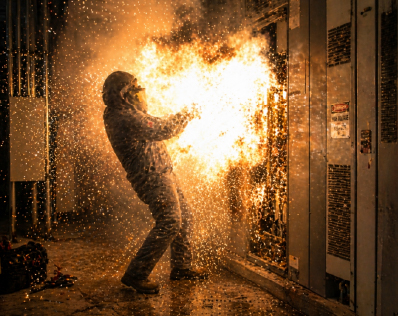
The first step in properly evaluating flame-resistant protective clothing is to ensure it meets the minimum requirements set forth in NFPA 2112 or ISO 11611/11612, depending on the end user’s requirements. However, it is important to assess other key performance factors in various exposure scenarios.
-
Aging of protective clothing
The two most common aging scenarios for protective clothing are:
- washing and cleaning
- working outdoors in the presence of sunlight
After-glow performance on the bottom edge ignition (ASTM D6413) after the source is extinguished to avoid heat transfer to the wearer.
The predicted body burns are defined according to the method selected, ISO 13506 or NFPA 2112 (ASTM F-1930).
PROBAN® flame-resistant fabric is engineered to exceed the basic requirements of NFPA 2112 and ISO 11611/11612 and exhibits no after-glow on bottom edge ignition, the lowest predicted burns as per ASTM F-1930, and no change in flame-resistant properties after exposure to sunlight.